Affiliate disclosure: Chic Seed may earn a commission from some merchant links. Our recommendations remain independently edited and reader-first.
Warm weather dressing is easier when fabrics breathe, colors mix, and silhouettes do not cling.
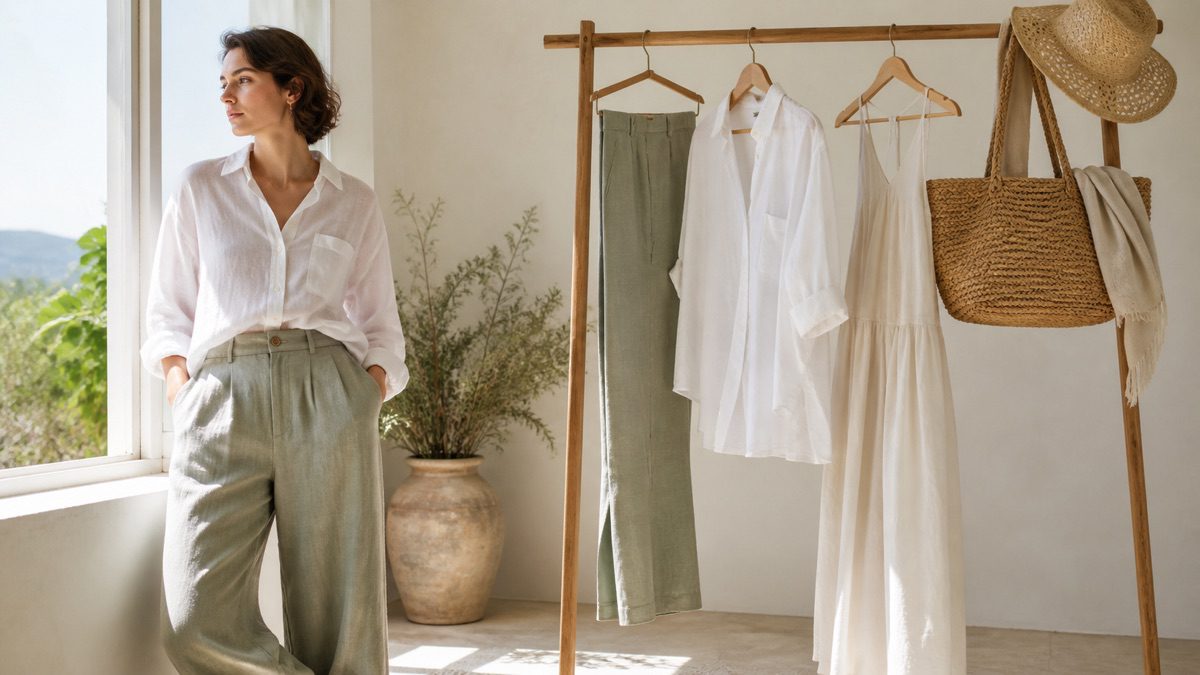
Linen and cotton can look polished if the cut is intentional and the wrinkles feel relaxed rather than neglected.
Quick verdict
Choose breathable fabric with enough structure for your routine.
What to look for
- fit: Check whether the recommendation works for the actual routine, not just for a photo or one special occasion.
- quality: Look for construction, materials, finish, care needs, or repeat-use signals that justify the price.
- value: The strongest option earns its space by being useful often enough to beat cheaper duplicates.
- maintenance: Care, storage, cleaning, battery life, or replacement parts matter more than most product pages admit.
- style: A good pick should blend into several outfits, rooms, schedules, or social situations without feeling forced.
Who this is for
Readers building summer outfits for travel, office-light days, and casual dinners.
Who should skip it
Skip very sheer or high-maintenance fabrics if you need easy laundry.
Practical buying notes
Check opacity, seam strength, lining, waistband comfort, and whether the color works with your sandals.
Useful comparisons
- If you care most about linen, choose the simpler option with fewer fragile details.
- If cotton matters more, compare return policies and long-term upkeep before buying.
- If you are shopping for summer style, prioritize comfort and repeat use over trend language.
Editorial take
The best warm-weather pieces make heat less disruptive.
FAQ
Is this a product ranking?
It is an editorial guide, not a paid ranking. We focus on use case, tradeoffs, and value signals.
How often should readers revisit this advice?
Revisit it when your routine changes, when a product category updates, or when an older item stops solving the job.
Read construction along with fiber content
Two garments labeled linen can feel completely different because yarn size, weave density, garment wash, lining, and cut affect airflow and drape. Hold lightweight fabric to the light to evaluate transparency and inspect stress points such as pocket corners and buttonholes. Cotton poplin tends to hold a crisp line, while gauze and jersey behave more softly. Choose the structure that fits the garment’s job.
Allow room for air movement
Breathable fiber cannot compensate for a cut that traps heat or pulls across the body. Check armholes, upper back, waistband, rise, and thigh room while sitting and walking. A slightly relaxed silhouette often allows better circulation, but excessive fabric can feel heavy in humidity. Test the garment with the underlayers you will actually wear.
Plan for wrinkles instead of fighting them
Linen’s creasing is part of its character, though blends and heavier weaves may look smoother. Focus on whether the garment still hangs cleanly after movement. Sit for several minutes, then stand and inspect the lap, waistband, and back. A steamer can refresh many pieces, but the care label should determine washing, drying, and ironing temperatures.
Check color, opacity, and underlayers
White and pale fabrics can become more transparent in direct sun. Inspect them near a window and under outdoor light when possible. Pockets, seams, and linings may show through even when the main fabric appears opaque. Neutral undergarments close to the wearer’s skin tone usually create less contrast than bright white, but comfort and personal preference come first.
Warm-weather buying checklist
- Fabric feels comfortable against damp or warm skin.
- Armholes and waist allow movement.
- Opacity works in direct light.
- Care instructions fit your routine.
- The piece coordinates with at least three existing items.
Related ChicSeed guides
Continue with these practical guides from the same topic area:
